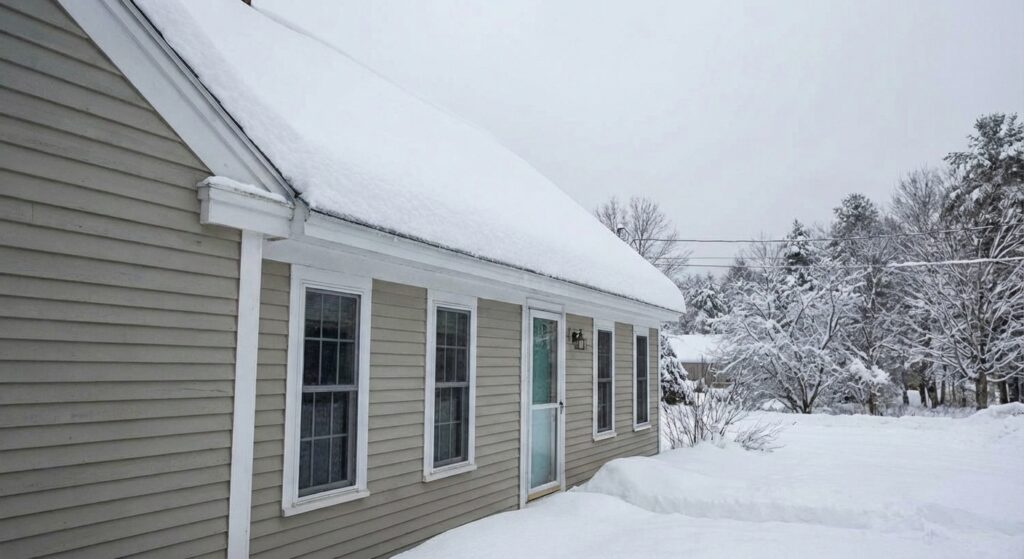
Living in Ontario in 2026 and beyond means embracing the beauty of a winter wonderland. However, when that wonderland accumulates on top of your home, it can quickly turn into a nightmare for your structural integrity. Heavy snowfall, ice dams, and the freeze-thaw cycles typical of the Greater Toronto Area (GTA) like this year can wreak havoc on your shingles and gutters.
At Ontario Tech Roofing, we understand the unique challenges posed by Canadian winters. While we often recommend professional intervention for dangerous situations, we know that many homeowners prefer to handle maintenance themselves when safe to do so.
In this guide, we will walk you through the safest methods to remove snow from your roof, when to worry about accumulation, and when it is time to call a professional Oakville roofing contractor.
The Dangers of Excess Snow: Why Bother?
Before we dive into the “how-to,” it is essential to understand the “why.” So we know that snow looks fluffy and light… but it is deceptively heavy.
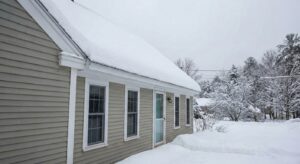
Structural Stress: Fresh, fluffy snow weighs about 3 pounds per square foot. However, wet, heavy snow can actually weigh upwards of 21 pounds per square foot. This means that if your roof has a low pitch or is an older structure, this weight can cause bowing trusses or— and even collapse!
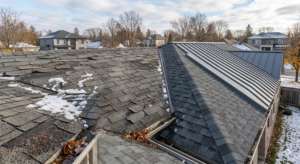
Ice Dams: This is the most common cause for Toronto roof repair requests in the spring. In fact, we receive calls for this issue even in late winter! An ice dam forms when heat escapes your attic, melts the snow on the roof, and the water runs down to the cold eaves where it refreezes. This ridge of ice traps water behind it, forcing it under your shingles and into your home.
Drainage Issues: It is important to note that when massive amounts of snow melt all at once, your eavestroughs may be overwhelmed or ripped from the fascia due to the weight of sliding ice.
How to Remove Snow From a Roof: When Should You Do It?
You should definitely take action if:
– Accumulation exceeds 6 inches of wet, heavy snow or 12+ inches of light powder.
– Ice dams are visible: If you see large icicles hanging from your gutters, water is likely pooling on the roof.
– Interior signs of stress: If you or your loved ones notice that interior doors start sticking, drywall cracks appear, or you hear popping sounds from the attic, you are facing a structural emergency.
If you notice these signs and are uncomfortable handling the height or physical exertion, search for “roof repair near me” or contact us immediately.
Safety First: The Golden Rules
Removing snow is dangerous, as falls from roofs are a leading cause of home maintenance injuries.
Please avoid the roof surface if possible and work from the ground whenever you can.
Be sure to also watch for power lines as Metal tools and electricity do not mix.
The Right Way to Remove Snow (DIY Guide)
If you are tackling this yourself, the goal is to remove the weight without damaging the roofing material.
1. Use a Roof Rake (The Preferred Method)
This is by far the safest way to clear a roof- from the ground using a telescoping roof rake.
Technique: Stand back from the house to avoid falling snow and then you should extend the rake to the roof edge and gently pull the snow down toward you.
Don’t scrape clean: ALWAYS leave 1 to 2 inches of snow on the roof. This is because scraping the rake directly against the shingles can dislodge the protective granules, shortening the lifespan of your roof and leading to a need for premature GTA roofing services.
Work in layers: If the snow is deep, be sure to shave off the top layer first, then go deeper. Be sure not to pull a foot of wet snow at once; you might break the rake or hurt your back.
2. Dealing with Ice Dams (Chemical Approach)
Do not try to chip away ice dams with a hammer, shovel, or ice pick as you will almost certainly crack a shingle or puncture the underlayment.
Avoid Rock Salt: Please be sure to avoid this as it can discolor shingles and kill the vegetation around your home when it drains off.
3. What NOT To Do
No Shovels: Unless you have a flat commercial roof, plastic or metal shovels are too aggressive for asphalt shingles.
No Pressure Washers: Never use hot water or pressure washers to melt ice. This forces water under the shingles, which then freezes and expands, causing leaks.
No Open Flame: It sounds obvious, but blowtorches should never be used to melt ice on a roof.
Preventative Measures: The Long-Term Solution
If you find yourself constantly raking snow to prevent leaks, your home likely has an insulation or ventilation issue.
Attic Insulation: Proper R-value insulation keeps the heat in your living space and out of your attic. A cold attic means snow won’t melt artificially, preventing ice dams.
Ventilation: Soffit and ridge vents ensure that the air in your attic stays cold, matching the outside temperature.
How to Remove Snow From a Roof: When to Call a Professional
While a roof rake is great for single-story bungalows, many homes in Oakville and Toronto are two or three stories high with complex rooflines.
You should hire a professional Oakville roofing contractor if:
The roof is too high to reach with a rake from the ground.
The pitch is steep, making the snow slide off at dangerous speeds.
The ice is too thick for calcium chloride treatments.